
How Anti-Ligature Design Works

Anti-ligature design focuses on removing, reducing, or managing potential ligature attachment points through careful product design and environmental planning.
Instead of traditional fixtures that may create anchor points, anti-ligature products are engineered to prevent items from being tied, looped, or secured around them.
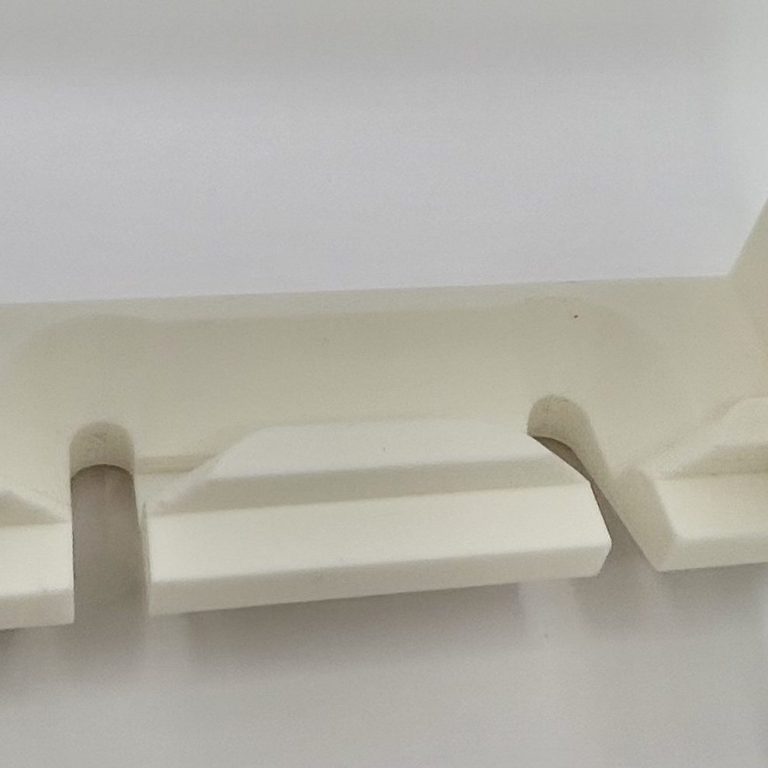
Common design features include:
- Sloped or angled surfaces
Fixtures are shaped so that cords or fabrics naturally slide off rather than being able to hold weight. - Concealed fixings
Screws, brackets, and joints are hidden to prevent tampering or attachment points. - Load-release mechanisms
Some fittings are designed to release or detach when excessive weight is applied, reducing the risk of harm. - Continuous or concealed hinges
Door hinges are enclosed or designed to eliminate gaps where materials could be tied. - Flush-mounted hardware
Handles, locks, and other fittings sit flush against surfaces to remove protruding points.
By combining these features, anti-ligature design helps create safer environments without making spaces feel overly clinical or restrictive.